Your Preferred General Contractor for Premium Home Improvements
A reputable general contractor plays a essential function in home improvements. Their expertise guarantees projects are finished with accuracy and attention. By concentrating on quality materials and workmanship, they enhance both visual appeal and value. Open communication and careful planning are crucial for a seamless experience. However, many homeowners disregard important considerations when choosing a builder. Understanding what to focus on can make all the impact in achieving a quality read now remodel. What should homeowners consider first?
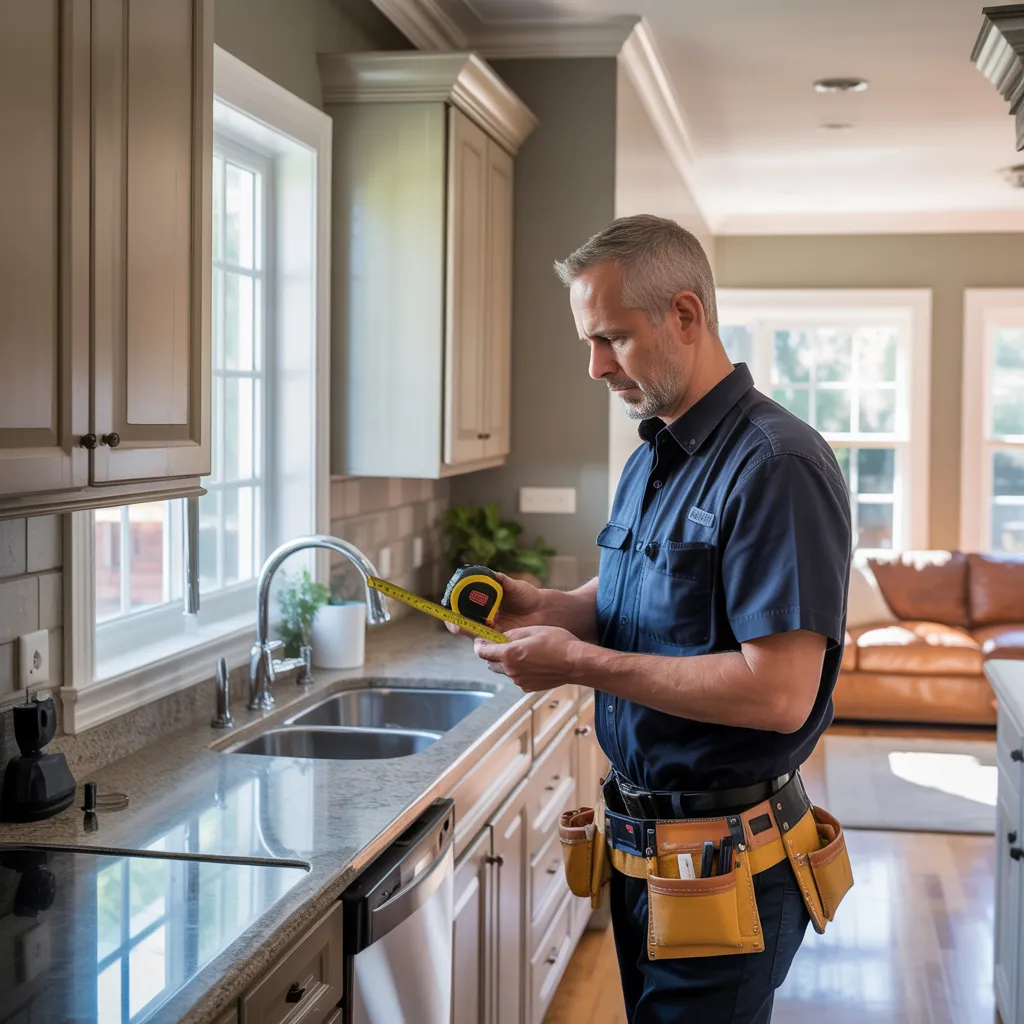
Essential Qualities to Look For in a Trustworthy General Contractor
When launching a home renovation project, how can one guarantee they select a solid general contractor? Initially, individuals should seek recommendations from friends, family, or web reviews to identify potential candidates. It is paramount to authenticate credentials, including permits and protection, ensuring the professional meets local ordinances. Next, evaluating past work through showcases or recommendations offers clarity into the contractor's craftsmanship and reliability.
Furthermore, getting multiple quotes can help gauge reasonable costs and work schedules. The ability to communicate are also essential; a builder should be approachable and attentive to inquiries. Additionally, a strong agreement detailing project scope, deadlines, and payment schedules safeguards both parties. Ultimately, trust instincts; if a contractor appears unprofessional or vague, it may indicate future issues. By adhering to these recommendations, homeowners can greatly increase their chances of selecting a dependable construction professional, leading to prosperous renovation projects.
Why a Local General Contractor Remains Your Ideal Selection
Selecting a local general professional can significantly boost the performance of home renovation projects. Local contractors maintain important expertise of the area, covering construction regulations, rules, and zoning laws, ensuring adherence and efficiency. Their long-standing relationships with distributors and trade contractors can provide competitive pricing and timely availability to products and professional workers.
Additionally, local contractors often have a reputation to copyright within the locale, motivating them to deliver high-quality work. This sense of accountability establishes trust and confidence among homeowners.
Furthermore, being nearby allows for more straightforward communication and swift response times, which are important during a project. Homeowners may also ask referrals from neighbors or friends who have worked with the contractor before, providing peace of mind. Overall, choosing a local general contractor does not just support the community but also enhances the overall quality and experience of home improvement endeavors.
A Detailed Step-by-Step Guide for Your Home Improvement Journey
Commencing a home improvement project calls for thoughtful planning and precise implementation. Formulating a project timeline is indispensable to guarantee that activities are completed swiftly, while selecting premium supplies can markedly influence the project's result. This guide will outline these important procedures to assist homeowners work through their renovation experience productively.
Design Your Project Schedule
A properly designed renovation timeline is crucial for achieving quality home renovations, confirming that each phase is executed productively. To start, homeowners should set the project's boundaries, describing specific objectives and desired results. Then, they should contact their general contractor to set up a feasible timeframe based on the project's difficulty level and needed work. Breaking down the project into manageable parts enables for improved oversight and adjustments as needed. It is also vital to prepare for unexpected delays, such as seasonal changes or supply chain issues, which could impact the timeline. Regular check-ins with the contractor can assist in keeping the project moving forward. Ultimately, a well-defined timeline fosters conversation and sets expectations, leading to a smoother residential improvement experience.
Selecting High-Quality Supplies
Selecting superior materials substantially affects the output of residential renovation endeavors. To start, homeowners should establish the specific requirements of their undertaking, considering components such as strength, design, and cost allocation. examining various substance choices is critical; this involves learning about the merits and disadvantages of individual option. Consulting with professionals can deliver valuable guidance into reputable companies and vendors.
Next, property owners should request material samples to assess the look and feel of materials in person. Shopping around for prices across various vendors can help guarantee affordable rates without sacrificing quality. Finally, verifying that materials comply with local building codes is crucial for protection and adherence to standards. By carefully choosing materials, property owners can improve both the durability and aesthetic value of their upgrades, ultimately increasing the worth to their property.
Articulate Your Vision Like a Professional
Successful home improvements often turn on the ability to express a clear intent. Homeowners should articulate their perspectives, predilections, and expectations, ensuring that they communicate their aspirations effectively to their general contractor. A well-defined framework not only helps in aligning the contractor's plans with the homeowner's goals but also simplifies the decision-making process.
Visual aids such as sketches or mood boards can greatly enhance communication efforts. They deliver a physical example that demonstrates style, color schemes, and layout preferences. Additionally, maintaining transparent conversation encourages partnership, allowing the contractor to ask clarifying questions and provide insights.
Creating practical deadlines and financial plans is equally important. Property owners should be prepared to discuss boundaries candidly to prevent miscommunications in the future. Ultimately, conveying a direction with distinctness and self-assurance empowers both parties, creating conditions for accomplished project implementation and rewarding results in home improvement efforts.
The Importance of Superior Materials and Expert Craftsmanship
For home enhancement projects, the preference of durable materials greatly impacts the endurance and functionality of a assignment. Equally important is the contribution of skilled craftsmanship, which validates that these materials are utilized effectively. As one, outstanding materials and skilled labor create results that prove timeless.
Robust Material Process
A prudently selected variety of durable materials can greatly influence the longevity and aesthetics of home improvements. Excellent materials not only enhance the allure of a space but also guarantee that renovations persist the test of time. Homeowners should stress materials with proven durability, such as hardwood, stone, and high-grade metals, which resist wear and tear and environmental damage. In addition, opting for materials appropriate to the local climate can prevent issues like rot or corrosion. Investing in durable options may require a higher upfront cost, but the long-term benefits—fewer repairs and replacements—make it a wise choice. Ultimately, the right materials contribute to a home's value and overall satisfaction for years to come.
Talented Craftsmanship: The Value
Quality artistry takes an vital place in the prosperity of home upgrades, bolstering the selection of dependable materials. Seasoned craftspeople guarantee that each element of a project is carried out with accuracy, strengthening both usability and appearance. Meticulous focus in construction, from framing to finishing touches, considerably enhances the resilience and reliability of home features. Quality artistry not only portrays a pledge to excellence but also protects future issues, such as structural defects or aesthetic shortcomings. Additionally, accomplished professionals recognize the intricacies of various materials, assuring they are utilized effectively. Ultimately, directing funds toward skilled craftsmanship generates a more gratifying and enduring product, raising the overall value of the home and the homeowner's experience.
Common Renovation Errors and How to Prevent Them
Many residents face pitfalls during home renovations that can lead to expensive setbacks and dissatisfaction. One frequent error is underestimating the budget. Without a comprehensive budget outline, unforeseen costs can quickly emerge, compromising the project. Additionally, failing to secure required approvals can result in penalties and project halts, complicating the renovation process.
A common mistake involves rushing the decision-making process. Hasty decisions regarding design and layout can lead to regrets down the road. Homeowners frequently neglect the significance of employing experienced professionals, which can undermine the quality of work and safety requirements.
At last, inadequate communication with contractors can lead to misunderstandings and unmet expectations. To eliminate these issues, homeowners should emphasize detailed planning, get the required permits, select experienced professionals, and preserve transparent communication throughout the remodeling period. By addressing these common mistakes, homeowners can assure a more efficient and more satisfying remodeling experience.
How to Select the Right Products for Your Remodel?
In what manner can homeowners guarantee they select the correct components for their renovation projects? First, they should assess the particular necessities of the location, reflecting on factors such as functionality, charm, and endurance. Examining various materials is mandatory; property owners should weigh possibilities based on their relevance for the intended use and local climate conditions.
Consulting with a reliable building professional can provide valuable insights into selection options, making sure choices match with both financial constraints and aesthetic objectives. Additionally, property owners should focus on environmental responsibility by exploring eco-friendly materials that minimize environmental impact.
At last, reviewing samples can support informed determinations, enabling homeowners to conceive how materials will appear and feel in their space. By following these steps, homeowners can securely opt for materials that improve their renovation while ensuring quality and longevity.
Often Inquired Matters
How Should I Validate a Contractor's Qualifications and Insurance?
To check a contractor's licenses and insurance, one can consult state regulatory authorities and insurance providers. Furthermore, acquiring copies of licenses and insurance certificates directly from the contractor asserts genuineness and observance of regulations.
What Defines the Usual Duration for Household Upgrade Undertakings?
Home improvement projects typically have a variable schedule, frequently running from a few weeks to several months, affected by project complexity, size, and essential permits. Talking with the contractor can aid in determining a more dependable schedule.
Can I dwell in My Home Throughout Remodeling?
Yes, individuals can occupy a home during remodeling efforts, though it frequently copyrights on the project's extent. Smaller renovations may allow sustained residence, while extensive projects might demand temporary relocation for well-being and comfort.
What Payment Options Do Contractors Generally Take?
Contractors regularly process a broad range of payment methods, featuring cash, checks, credit cards, and digital payment platforms. Some may also offer financing options, granting clients flexibility in regulating renovation costs and payment schedules.
How Do I Manage Disagreements With My Building Professional?
To manage contractor conflicts, one should express yourself plainly, document all interactions, and pursue settlement via discussion. If unresolved, arbitration or court proceedings may be necessary to protect one's interests successfully.